
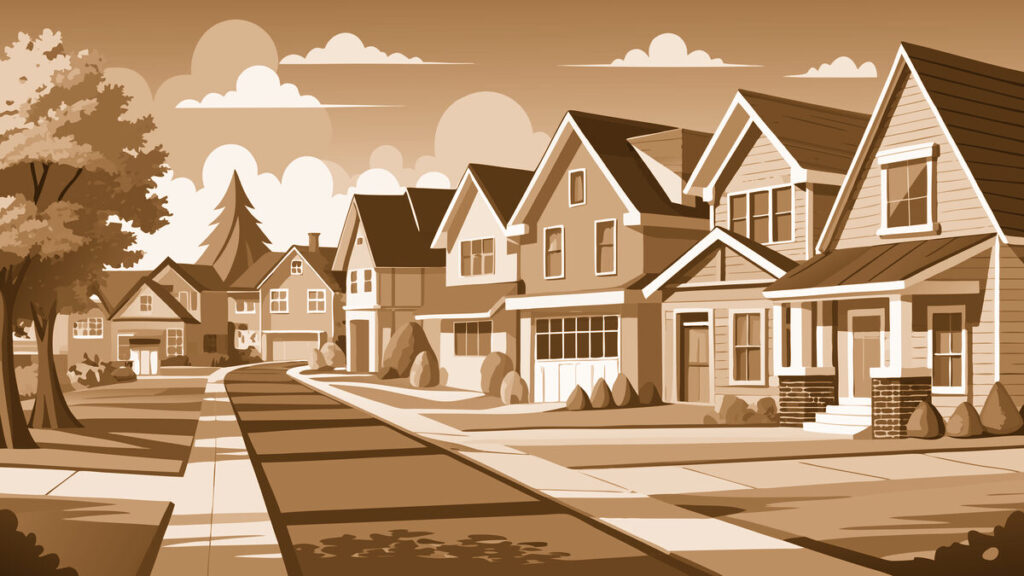
Nestled in the heart of Rochester, East Avenue stands out not just as one of the city’s most prestigious neighborhoods, but as a living canvas of architectural splendor, storied institutions, and a rich blend of past and present. From stately mansions to leafy parks, East Avenue has witnessed Rochester’s evolution, all while retaining the grace and grandeur that have defined it for more than a century.
From Settlement to Sophistication: The Origins of East Avenue
The story of East Avenue begins in the early 19th century, at a time when Rochester was blooming from a canal-side village into a promising city. The avenue itself grew out of an old Native American trail, which was then adapted by early settlers for travel and commerce. As the city expanded eastward from the burgeoning downtown area, this route became the natural corridor for growth.
By 1840, what would soon be known as East Avenue began to take clear shape. Its name is self-explanatory—running due east from downtown Rochester, connecting the city center with the fertile surrounding farmlands and, later, burgeoning suburbs like Pittsford.
Architectural Grandeur: The Rise of a Prestige Neighborhood
The mid-to-late 19th century saw East Avenue transform from farmland and modest homes into a symbol of affluence and elegance. As Rochester’s elite flourished off the prosperity generated by flour mills, manufacturing, and the Erie Canal, many sought to build impressive residences away from the city’s industrial bustle.
Key families, such as the Sibleys, Eastmans, and Strong families, commissioned some of the city’s grandest mansions. By the late 1800s, grand Victorian, Georgian, and Colonial Revival homes began lining the thoroughfare, anchored by deep lawns and canopied by towering old maples and oaks.
- Today, a stroll along East Avenue from Alexander Street out toward Winton Road provides a living museum of architectural styles, testifying to the era’s aspirations and artistry.
Key Historical Milestones
East Avenue has been shaped by, and helped shape, many defining moments in Rochester’s history:
- The Eastman Years (early 20th century): Perhaps most famously, East Avenue became the home of George Eastman, the visionary founder of Kodak. In 1905, Eastman completed his opulent mansion at 900 East Avenue, which remains one of Rochester’s most significant historic landmarks today.
- Cultural Emergence: In 1922, the Eastman School of Music opened its doors at Gibbs Street—just a stone’s throw south of East Avenue—bringing world-class music and culture to the neighborhood’s doorstep.
- Preservation Efforts: Recognizing its historic significance, much of the East Avenue neighborhood was listed on the National Register of Historic Places in 1979. This move has helped protect many of its historic homes and buildings from demolition or insensitive redevelopment.
Landmarks and Institutions: Icons of East Avenue
A walk or drive down East Avenue is a journey through Rochester’s architectural and cultural history. Among its most celebrated landmarks:
- George Eastman Museum: Once the home of the Kodak founder, this National Historic Landmark houses an unparalleled photography and film archive. The museum’s gardens and conservatory remain a horticultural highlight.
- Memorial Art Gallery (MAG): Located just off University Avenue, the MAG was founded in 1913 and has since become a major regional museum known for its diverse art collections and community events.
- St. Paul’s Episcopal Cathedral: This beautiful church at the intersection of East Avenue and Westminster Road is an excellent example of Gothic Revival architecture and a hub of community gatherings.
- Rochester Museum & Science Center: Just north of East Avenue, this institution has inspired generations of local residents and visiting schoolchildren with hands-on science and natural history exhibits.
Other notable addresses include the Third Presbyterian Church (East Avenue and Meigs Street), a beacon of faith and service since the late 1800s, and the Lyric Theatre (formerly the First Church of Christ, Scientist) at 440 East Avenue—a crown jewel of arts and performance.
Parks and Green Spaces
East Avenue is more than stately architecture; it’s a ribbon of green that connects several key open spaces. At its western edge, the tranquil Washington Square Park serves as a leafy escape near the city center. Farther east, the quiet lawns and mature trees around the George Eastman Museum offer respite and beauty year-round.
Neighborhood Evolution: From Gilded Age to Vibrant Present
East Avenue has seen many changes—some subtle, some transformative. Decades ago, it was almost exclusively residential, home to Rochester’s wealthiest families. Today, as the city has grown and diversified, East Avenue displays a harmonious mix of uses and residents.
- Adaptive Reuse: Former mansions now house law offices, institutions, and boutique guest houses. Historic buildings have been carefully adapted to new uses, preserving their exterior splendor while embracing modern needs.
- Diverse Community: East Avenue today welcomes people from all walks of life—students attending the Eastman School, professionals working downtown, art lovers drawn to galleries, and longtime residents who’ve watched the neighborhood change and thrive.
- Festivals and Parades: Each spring, Rochester’s beloved Lilac Festival transforms nearby Highland Park and spills onto the avenues, including East, with food, music, and the incomparable blooms that mark Rochester’s heritage.
What Makes East Avenue Special?
To many, East Avenue is the soul of Rochester. It’s where the city celebrates its storied past, where timeless architecture meets vibrant modern life. Here, neighbors still greet each other on evening strolls, gardens bloom in the summer sun, and the echoes of history are never far away—whether in the notes from a distant concert at the Eastman School or the gleam of camera flashes at the George Eastman Museum.
For longtime residents and newcomers alike, East Avenue is not just an address but a sense of place—a reminder that Rochester’s past is very much alive and cherished, inviting anyone to pause and enjoy its timeless beauty.